

Newsletter
September 2025
June 2025
May 2025
April 2025
March 2025
February 2025
January 2025
Categories
AI
- Why Reddit Should Be Part of Your B2B Marketing Strategy
- 3 Things You Must Change in B2B Marketing to Increase Sales in 2026
- 3 Things You Must Change in B2B Marketing to Increase Sales in 2026
- Loop Marketing: The key strategy for your success in 2026
- Ghost SEO: Don’t disappear in the era of AEO
- AI Agents: What they are, how they work, and why your Marketing Team needs one
- HubSpot in Action: Scale your B2B Marketing with CRM, AI, and Automation
- Is your marketing ROI stagnant? AI is the solution You’ve been looking for
- What Digital Advertising Will Bring in 2025: Trends and Tools You Need to Know
- Intelligent Creativity: How AI Influences UX/UI Design
- Step into Evolution: Enhance Your CRM with AI
- How to write a good AI prompt to improve your work?
- The growing reach of ChatGPT in Marketing
- Case Study: Augmented Reality Filters on INSTAGRAM: A key ally for a successful brand strategy
- Public Relations & Artificial Intelligence – A new Alliance
- More science and less fiction: Artificial Intelligence applied to Marketing
AR
- Case Study: Augmented Reality Filters on INSTAGRAM: A key ally for a successful brand strategy
- Augmented Reality in social media: the next step in your digital strategy
Automation
- 3 Things You Must Change in B2B Marketing to Increase Sales in 2026
- Loop Marketing: The key strategy for your success in 2026
- AI Agents: What they are, how they work, and why your Marketing Team needs one
- HubSpot in Action: Scale your B2B Marketing with CRM, AI, and Automation
- Is your marketing ROI stagnant? AI is the solution You’ve been looking for
- What Digital Advertising Will Bring in 2025: Trends and Tools You Need to Know
- Intelligent Creativity: How AI Influences UX/UI Design
- Step into Evolution: Enhance Your CRM with AI
- How to write a good AI prompt to improve your work?
- The growing reach of ChatGPT in Marketing
- Case Study: Augmented Reality Filters on INSTAGRAM: A key ally for a successful brand strategy
- Public Relations & Artificial Intelligence – A new Alliance
- More science and less fiction: Artificial Intelligence applied to Marketing
B2B
- Ghost SEO: Don’t disappear in the era of AEO
- Reimagining B2B Marketing: The new era of ISM and what’s next for your brand
- The evolution of content in the Customer Journey: From a linear funnel to a digital path
- The Secrets of LinkedIn’s Algorithm: Foolproof Tricks for Your Strategy
- Complete Guide to a Customer Experience-Based GTM Strategy
- Is BANT Still Relevant in 2024? Alternative Frameworks
- Why should TikTok be included in your B2B marketing plan?
- 7 tips to prospect clients in the B2B sector
- If your business wants to attract millennials, read this article. You may be surprised!
- Once upon a time… Storytelling in B2B
- Digital Marketing Strategies for Tech Startups
- 8 Ideas for B2B Lead Generation
blog
- Why Reddit Should Be Part of Your B2B Marketing Strategy
- 3 Things You Must Change in B2B Marketing to Increase Sales in 2026
- 3 Things You Must Change in B2B Marketing to Increase Sales in 2026
- Loop Marketing: The key strategy for your success in 2026
- Ghost SEO: Don’t disappear in the era of AEO
- Reimagining B2B Marketing: The new era of ISM and what’s next for your brand
- AI Agents: What they are, how they work, and why your Marketing Team needs one
- HubSpot in Action: Scale your B2B Marketing with CRM, AI, and Automation
- Is your marketing ROI stagnant? AI is the solution You’ve been looking for
- The evolution of content in the Customer Journey: From a linear funnel to a digital path
- Comprehensive Guide: Advanced Inbound Marketing Strategies for the Technology Sector
- Sales Funnel for Tech Companies: How to Capture Leads and Accelerate Your B2B Sales
- What Digital Advertising Will Bring in 2025: Trends and Tools You Need to Know
- The Secrets of LinkedIn’s Algorithm: Foolproof Tricks for Your Strategy
- Complete Guide to a Customer Experience-Based GTM Strategy
- Intelligent Creativity: How AI Influences UX/UI Design
- Step into Evolution: Enhance Your CRM with AI
- Is BANT Still Relevant in 2024? Alternative Frameworks
- What is Advergaming? Benefits and Examples
- How to write a good AI prompt to improve your work?
- The Future of Marketing: Predictions for 2024
- Inspire Your Brand Strategy with Taylor Swift’s Marketing Moves
- Tips and ideas to plan your end-of-year celebrations for work
- Viral Marketing: Strategy or luck?
- Micro-influencers and UGC content generators: Key elements in the marketing strategy
- The growing reach of ChatGPT in Marketing
- Why should TikTok be included in your B2B marketing plan?
- Case Study: Augmented Reality Filters on INSTAGRAM: A key ally for a successful brand strategy
- MQL and SQL: The Key to Increase Your Sales in 2022
- Public Relations & Artificial Intelligence – A new Alliance
- 7 tips to prospect clients in the B2B sector
- UX Writing: Creating Human-Centered Content
- More science and less fiction: Artificial Intelligence applied to Marketing
- Augmented Reality in social media: the next step in your digital strategy
- Design thinking: Think big to generate value for your business
- If your business wants to attract millennials, read this article. You may be surprised!
- Once upon a time… Storytelling in B2B
- Digital Marketing Strategies for Tech Startups
- The importance of a good influencer marketing strategy
- Learn why your company’s website should be Mobile-First!
- New UX Design Trends
- Agile Marketing: An optimization strategy for your business
- 8 Ideas for B2B Lead Generation
Content
- The Future of Marketing: Predictions for 2024
- Inspire Your Brand Strategy with Taylor Swift’s Marketing Moves
- Viral Marketing: Strategy or luck?
- UX Writing: Creating Human-Centered Content
- Augmented Reality in social media: the next step in your digital strategy
- If your business wants to attract millennials, read this article. You may be surprised!
- Once upon a time… Storytelling in B2B
Creativity
- The Future of Marketing: Predictions for 2024
- Inspire Your Brand Strategy with Taylor Swift’s Marketing Moves
- Viral Marketing: Strategy or luck?
- Why should TikTok be included in your B2B marketing plan?
- UX Writing: Creating Human-Centered Content
- Augmented Reality in social media: the next step in your digital strategy
- If your business wants to attract millennials, read this article. You may be surprised!
- Once upon a time… Storytelling in B2B
Customer
- The evolution of content in the Customer Journey: From a linear funnel to a digital path
- Complete Guide to a Customer Experience-Based GTM Strategy
- Learn why your company’s website should be Mobile-First!
Design
- UX Writing: Creating Human-Centered Content
- Learn why your company’s website should be Mobile-First!
- New UX Design Trends
Digital Marketing
- 3 Things You Must Change in B2B Marketing to Increase Sales in 2026
- Loop Marketing: The key strategy for your success in 2026
- AI Agents: What they are, how they work, and why your Marketing Team needs one
- Is your marketing ROI stagnant? AI is the solution You’ve been looking for
- Comprehensive Guide: Advanced Inbound Marketing Strategies for the Technology Sector
- What Digital Advertising Will Bring in 2025: Trends and Tools You Need to Know
- The Secrets of LinkedIn’s Algorithm: Foolproof Tricks for Your Strategy
- Step into Evolution: Enhance Your CRM with AI
- Is BANT Still Relevant in 2024? Alternative Frameworks
- What is Advergaming? Benefits and Examples
- How to write a good AI prompt to improve your work?
- The Future of Marketing: Predictions for 2024
- Inspire Your Brand Strategy with Taylor Swift’s Marketing Moves
- Viral Marketing: Strategy or luck?
- The growing reach of ChatGPT in Marketing
- Why should TikTok be included in your B2B marketing plan?
- More science and less fiction: Artificial Intelligence applied to Marketing
- Design thinking: Think big to generate value for your business
- Digital Marketing Strategies for Tech Startups
- Agile Marketing: An optimization strategy for your business
Events
Hubspot
IA
- 3 Things You Must Change in B2B Marketing to Increase Sales in 2026
- Loop Marketing: The key strategy for your success in 2026
- Ghost SEO: Don’t disappear in the era of AEO
- Reimagining B2B Marketing: The new era of ISM and what’s next for your brand
Influencers
job
Lead Generation
- Comprehensive Guide: Advanced Inbound Marketing Strategies for the Technology Sector
- Sales Funnel for Tech Companies: How to Capture Leads and Accelerate Your B2B Sales
- MQL and SQL: The Key to Increase Your Sales in 2022
- 7 tips to prospect clients in the B2B sector
- 8 Ideas for B2B Lead Generation
marketing
- Why Reddit Should Be Part of Your B2B Marketing Strategy
- 3 Things You Must Change in B2B Marketing to Increase Sales in 2026
- Ghost SEO: Don’t disappear in the era of AEO
Newsletter-en
- Newsletter September 2025
- Newsletter June 2025
- Newsletter May 2025
- Newsletter April 2025
- Newsletter March 2025
- Newsletter February 2025
- Newsletter January 2025
PR
- Micro-influencers and UGC content generators: Key elements in the marketing strategy
- Public Relations & Artificial Intelligence – A new Alliance
Sales
- Sales Funnel for Tech Companies: How to Capture Leads and Accelerate Your B2B Sales
- What is Advergaming? Benefits and Examples
- Tips and ideas to plan your end-of-year celebrations for work
- MQL and SQL: The Key to Increase Your Sales in 2022
- Design thinking: Think big to generate value for your business
- Agile Marketing: An optimization strategy for your business
UI
Uncategorized
UX
Archive
- Why Reddit Should Be Part of Your B2B Marketing Strategy
- 3 Things You Must Change in B2B Marketing to Increase Sales in 2026
- 3 Things You Must Change in B2B Marketing to Increase Sales in 2026
- Loop Marketing: The key strategy for your success in 2026
- Ghost SEO: Don’t disappear in the era of AEO
- Reimagining B2B Marketing: The new era of ISM and what’s next for your brand
- AI Agents: What they are, how they work, and why your Marketing Team needs one
- HubSpot in Action: Scale your B2B Marketing with CRM, AI, and Automation
- Is your marketing ROI stagnant? AI is the solution You’ve been looking for
- The evolution of content in the Customer Journey: From a linear funnel to a digital path
- Comprehensive Guide: Advanced Inbound Marketing Strategies for the Technology Sector
- Sales Funnel for Tech Companies: How to Capture Leads and Accelerate Your B2B Sales
- What Digital Advertising Will Bring in 2025: Trends and Tools You Need to Know
- The Secrets of LinkedIn’s Algorithm: Foolproof Tricks for Your Strategy
- Complete Guide to a Customer Experience-Based GTM Strategy
- Intelligent Creativity: How AI Influences UX/UI Design
- Step into Evolution: Enhance Your CRM with AI
- Is BANT Still Relevant in 2024? Alternative Frameworks
- What is Advergaming? Benefits and Examples
- How to write a good AI prompt to improve your work?
- The Future of Marketing: Predictions for 2024
- Inspire Your Brand Strategy with Taylor Swift’s Marketing Moves
- Tips and ideas to plan your end-of-year celebrations for work
- Viral Marketing: Strategy or luck?
- Micro-influencers and UGC content generators: Key elements in the marketing strategy
- The growing reach of ChatGPT in Marketing
- Why should TikTok be included in your B2B marketing plan?
- Case Study: Augmented Reality Filters on INSTAGRAM: A key ally for a successful brand strategy
- MQL and SQL: The Key to Increase Your Sales in 2022
- Public Relations & Artificial Intelligence – A new Alliance
- 7 tips to prospect clients in the B2B sector
- UX Writing: Creating Human-Centered Content
- More science and less fiction: Artificial Intelligence applied to Marketing
- Augmented Reality in social media: the next step in your digital strategy
- Design thinking: Think big to generate value for your business
- If your business wants to attract millennials, read this article. You may be surprised!
- Once upon a time… Storytelling in B2B
- Digital Marketing Strategies for Tech Startups
- The importance of a good influencer marketing strategy
- Learn why your company’s website should be Mobile-First!
- New UX Design Trends
- Agile Marketing: An optimization strategy for your business
- 8 Ideas for B2B Lead Generation
2026
2025
2024
2023
2022
2021
Reddit is one of the largest discussion platforms on the internet, with hundreds of millions of active users. Yet many B2B companies overlook it. Even though it may seem more “community‑driven” than “professional,” Reddit contains highly active forums where people talk about technologies, tools, product challenges, market trends, and even purchasing decisions.
If you position yourself well, Reddit can help you understand your tech audience more deeply while also generating visibility, credibility, and qualified leads, without relying solely on traditional channels like LinkedIn or email.
Why Reddit Is an Underrated Channel for B2B
Reddit doesn’t operate like traditional marketing channels, and that can throw off teams used to direct, linear, and easily measurable strategies.
Reddit isn’t designed for selling or straightforward promotional content.
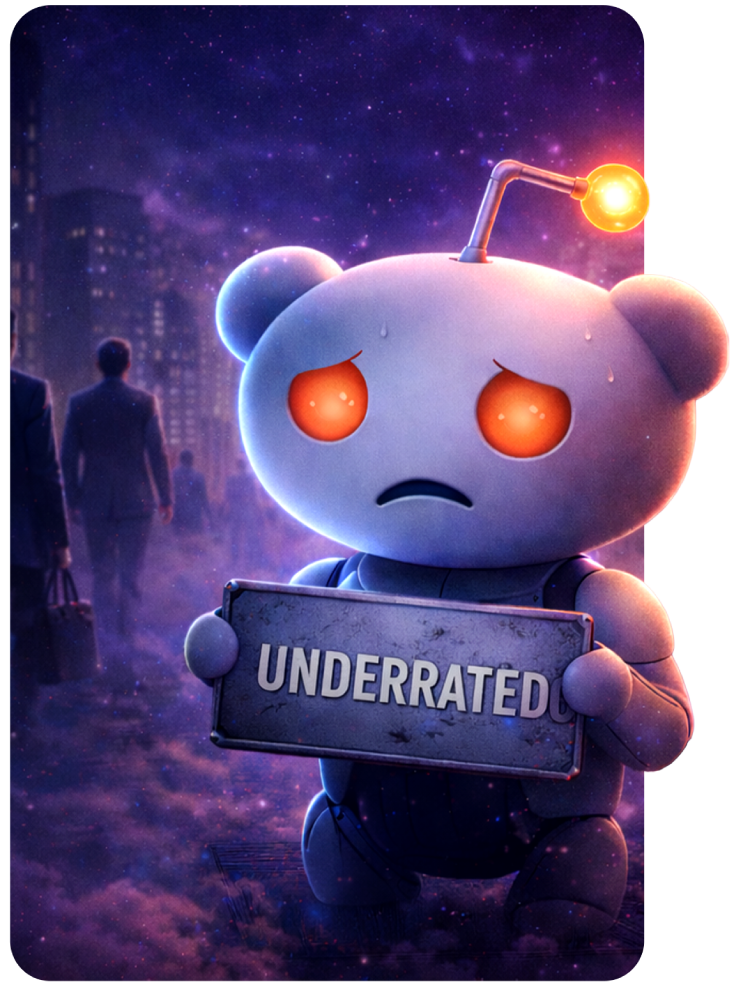
Instead, it is organized around communities, called subreddits, where users debate, ask questions, share experiences, and explore ideas, often anonymously. Each subreddit is like a focused forum with its own rules, tone, and culture.
For example, r/SaaS is frequented by founders and digital product operators; r/Entrepreneur is full of real questions about scaling businesses; and r/ProductManagement is where people discuss launches, user feedback, and validation. |
The key point is that conversations on Reddit are authentic and centered on real problems. There is no tolerance for polished marketing language. Reddit is undervalued by B2B companies because it demands patience, genuine engagement, and a more horizontal approach, something many teams aren’t prepared to invest in.
However, those that do engage thoughtfully find active communities with technical decision makers, unfiltered insights, and opportunities to build a sustainable, organic reputation. Rather than broadcasting messages, Reddit allows you to co‑create conversations with your ideal audience.
____________________
How ISM can help: Through Pipeline Factory, we go beyond ABM to design and implement complete ABX strategies: we identify key accounts, connect your CRM with intent tools, and build playbooks that align marketing and sales. Our methodology helps you build a predictable, revenue‑focused pipeline.
How Reddit Can Strengthen Your B2B Tech Strategy
The companies that get the most value from Reddit are not the ones that try to sell right away. They are the ones that learn how to join the conversation, spot opportunities before competitors, and establish themselves as trusted authorities without sounding commercial.
Reddit can deliver real value in at least four key areas:

The companies that get the most value from Reddit are not the ones that try to sell right away. They are the ones that learn how to join the conversation, spot opportunities before competitors, and establish themselves as trusted authorities without sounding commercial.
Reddit can deliver real value in at least four key areas:
1. Audience Research and Unfiltered Buyer Challenges
Reddit lets you observe:
- What topics your potential buyers really care about.
- What solutions they are actively seeking.
- What frustrations they have with current products or services.
These insights are extremely valuable when shaping your messaging, content topics, or product decisions.
2. Positioning Yourself as an Expert (Without Selling)
The golden rule on Reddit is: don’t cold sell.
If you respond with:
- Helpful answers,
- Detailed explanations,
- Case examples or frameworks,
…your brand becomes associated with expertise. This can lead to visits to your website, newsletter sign‑ups, or inbound interest from qualified prospects.
3. Predictive Feedback for Products or Campaigns
Before launching a new feature or lead magnet, you can:
- Test ideas.
- Refine your messaging.
- See which format resonates best with your audience.
This reduces uncertainty and often improves conversion rates when you scale the initiative elsewhere.
Common Errors When Starting Your Tech Marketing Strategy on Reddit

Approaching Reddit with the mindset of “just another channel to post content” almost always leads to poor results.
B2B tech companies that don’t understand how the platform works can be ignored, downvoted, or even banned by the community. If you want your brand to succeed on Reddit, it’s important to avoid these common missteps:
1. Treating Reddit Like LinkedIn or Twitter
One of the biggest mistakes is using Reddit the same way you would other social networks. If your posts look like hidden advertisements, clickbait, or thinly veiled promotions, the community will reject them immediately.
What works on LinkedIn, promoting events, sharing links, or talking in a commercial tone, often feels like spam on Reddit. Users are sensitive to self‑promotion and will downvote or flag content, which hurts your reputation and visibility.
How to avoid this:
- Read and respect each subreddit’s rules. Some do not allow external links or promotional material.
- Start by answering questions and adding value without mentioning your company or services.
- Wait until your profile has some positive reputation (karma) before posting your own content.
2. Not Listening or Following Up
Many companies post once and disappear. Reddit isn’t just a place to publish content, it’s a continuous learning environment where you can spot trends, uncover customer pain points, and validate ideas.
If you don’t follow up on posts, comments, or links, you miss out on understanding what truly resonates with the audience, what kinds of content generate interaction, and which communities are most active and receptive.
How to avoid this:
- Use tools like Reddit Notifier or TrackReddit to get alerts on industry‑relevant keywords.
- Add UTMs to shared links so you can measure traffic and engagement on your own site.
- Track comments and questions so you can keep conversations alive and build real connections.
____________
How ISM can help: With Digital Machine, we audit your content architecture, define modular blocks for generative AI, and train a brand‑specific voice model. We build systems that allow dynamic personalization without losing control or consistency.
Conclusion

If you are part of a B2B tech company looking for new ways to understand your market, validate ideas, position your brand, or generate quality leads without relying entirely on paid ads or outbound outreach, Reddit can be a channel that few others in your industry are exploring.
Reddit demands authenticity, patience, and strategic engagement. Instead of pushing messages at your audience, it rewards listening, adding value, and building a reputation based on usefulness. This approach may feel slower to teams used to immediate campaign results, but it offers something much more powerful: genuine organic trust with highly qualified technical audiences.
The key to success in B2B marketing in 2026 will be constant innovation and adaptability. At Isource, we help companies like yours incorporate unconventional channels into intelligent, measurable digital strategies that drive real results.
We want your brand to find the balance between technology that accelerates, strategies that connect, and execution that generates outcomes. Just Marketing #NoBS.