Newsletter
September 2025
June 2025
May 2025
April 2025
March 2025
February 2025
January 2025
Categorías
AI
- Why Reddit Should Be Part of Your B2B Marketing Strategy
- 3 Things You Must Change in B2B Marketing to Increase Sales in 2026
- 3 Things You Must Change in B2B Marketing to Increase Sales in 2026
- Loop Marketing: The key strategy for your success in 2026
- Ghost SEO: Don’t disappear in the era of AEO
- AI Agents: What they are, how they work, and why your Marketing Team needs one
- HubSpot in Action: Scale your B2B Marketing with CRM, AI, and Automation
- Is your marketing ROI stagnant? AI is the solution You’ve been looking for
- What Digital Advertising Will Bring in 2025: Trends and Tools You Need to Know
- Intelligent Creativity: How AI Influences UX/UI Design
- Step into Evolution: Enhance Your CRM with AI
- How to write a good AI prompt to improve your work?
- The growing reach of ChatGPT in Marketing
- Case Study: Augmented Reality Filters on INSTAGRAM: A key ally for a successful brand strategy
- Public Relations & Artificial Intelligence – A new Alliance
- More science and less fiction: Artificial Intelligence applied to Marketing
AR
- Case Study: Augmented Reality Filters on INSTAGRAM: A key ally for a successful brand strategy
- Augmented Reality in social media: the next step in your digital strategy
Automation
- 3 Things You Must Change in B2B Marketing to Increase Sales in 2026
- Loop Marketing: The key strategy for your success in 2026
- AI Agents: What they are, how they work, and why your Marketing Team needs one
- HubSpot in Action: Scale your B2B Marketing with CRM, AI, and Automation
- Is your marketing ROI stagnant? AI is the solution You’ve been looking for
- What Digital Advertising Will Bring in 2025: Trends and Tools You Need to Know
- Intelligent Creativity: How AI Influences UX/UI Design
- Step into Evolution: Enhance Your CRM with AI
- How to write a good AI prompt to improve your work?
- The growing reach of ChatGPT in Marketing
- Case Study: Augmented Reality Filters on INSTAGRAM: A key ally for a successful brand strategy
- Public Relations & Artificial Intelligence – A new Alliance
- More science and less fiction: Artificial Intelligence applied to Marketing
B2B
- Ghost SEO: Don’t disappear in the era of AEO
- Reimagining B2B Marketing: The new era of ISM and what’s next for your brand
- The evolution of content in the Customer Journey: From a linear funnel to a digital path
- The Secrets of LinkedIn’s Algorithm: Foolproof Tricks for Your Strategy
- Complete Guide to a Customer Experience-Based GTM Strategy
- Is BANT Still Relevant in 2024? Alternative Frameworks
- Why should TikTok be included in your B2B marketing plan?
- 7 tips to prospect clients in the B2B sector
- If your business wants to attract millennials, read this article. You may be surprised!
- Once upon a time… Storytelling in B2B
- Digital Marketing Strategies for Tech Startups
- 8 Ideas for B2B Lead Generation
blog
- Why Reddit Should Be Part of Your B2B Marketing Strategy
- 3 Things You Must Change in B2B Marketing to Increase Sales in 2026
- 3 Things You Must Change in B2B Marketing to Increase Sales in 2026
- Loop Marketing: The key strategy for your success in 2026
- Ghost SEO: Don’t disappear in the era of AEO
- Reimagining B2B Marketing: The new era of ISM and what’s next for your brand
- AI Agents: What they are, how they work, and why your Marketing Team needs one
- HubSpot in Action: Scale your B2B Marketing with CRM, AI, and Automation
- Is your marketing ROI stagnant? AI is the solution You’ve been looking for
- The evolution of content in the Customer Journey: From a linear funnel to a digital path
- Comprehensive Guide: Advanced Inbound Marketing Strategies for the Technology Sector
- Sales Funnel for Tech Companies: How to Capture Leads and Accelerate Your B2B Sales
- What Digital Advertising Will Bring in 2025: Trends and Tools You Need to Know
- The Secrets of LinkedIn’s Algorithm: Foolproof Tricks for Your Strategy
- Complete Guide to a Customer Experience-Based GTM Strategy
- Intelligent Creativity: How AI Influences UX/UI Design
- Step into Evolution: Enhance Your CRM with AI
- Is BANT Still Relevant in 2024? Alternative Frameworks
- What is Advergaming? Benefits and Examples
- How to write a good AI prompt to improve your work?
- The Future of Marketing: Predictions for 2024
- Inspire Your Brand Strategy with Taylor Swift’s Marketing Moves
- Tips and ideas to plan your end-of-year celebrations for work
- Viral Marketing: Strategy or luck?
- Micro-influencers and UGC content generators: Key elements in the marketing strategy
- The growing reach of ChatGPT in Marketing
- Why should TikTok be included in your B2B marketing plan?
- Case Study: Augmented Reality Filters on INSTAGRAM: A key ally for a successful brand strategy
- MQL and SQL: The Key to Increase Your Sales in 2022
- Public Relations & Artificial Intelligence – A new Alliance
- 7 tips to prospect clients in the B2B sector
- UX Writing: Creating Human-Centered Content
- More science and less fiction: Artificial Intelligence applied to Marketing
- Augmented Reality in social media: the next step in your digital strategy
- Design thinking: Think big to generate value for your business
- If your business wants to attract millennials, read this article. You may be surprised!
- Once upon a time… Storytelling in B2B
- Digital Marketing Strategies for Tech Startups
- The importance of a good influencer marketing strategy
- Learn why your company’s website should be Mobile-First!
- New UX Design Trends
- Agile Marketing: An optimization strategy for your business
- 8 Ideas for B2B Lead Generation
Content
- The Future of Marketing: Predictions for 2024
- Inspire Your Brand Strategy with Taylor Swift’s Marketing Moves
- Viral Marketing: Strategy or luck?
- UX Writing: Creating Human-Centered Content
- Augmented Reality in social media: the next step in your digital strategy
- If your business wants to attract millennials, read this article. You may be surprised!
- Once upon a time… Storytelling in B2B
Creativity
- The Future of Marketing: Predictions for 2024
- Inspire Your Brand Strategy with Taylor Swift’s Marketing Moves
- Viral Marketing: Strategy or luck?
- Why should TikTok be included in your B2B marketing plan?
- UX Writing: Creating Human-Centered Content
- Augmented Reality in social media: the next step in your digital strategy
- If your business wants to attract millennials, read this article. You may be surprised!
- Once upon a time… Storytelling in B2B
Customer
- The evolution of content in the Customer Journey: From a linear funnel to a digital path
- Complete Guide to a Customer Experience-Based GTM Strategy
- Learn why your company’s website should be Mobile-First!
Design
- UX Writing: Creating Human-Centered Content
- Learn why your company’s website should be Mobile-First!
- New UX Design Trends
Digital Marketing
- 3 Things You Must Change in B2B Marketing to Increase Sales in 2026
- Loop Marketing: The key strategy for your success in 2026
- AI Agents: What they are, how they work, and why your Marketing Team needs one
- Is your marketing ROI stagnant? AI is the solution You’ve been looking for
- Comprehensive Guide: Advanced Inbound Marketing Strategies for the Technology Sector
- What Digital Advertising Will Bring in 2025: Trends and Tools You Need to Know
- The Secrets of LinkedIn’s Algorithm: Foolproof Tricks for Your Strategy
- Step into Evolution: Enhance Your CRM with AI
- Is BANT Still Relevant in 2024? Alternative Frameworks
- What is Advergaming? Benefits and Examples
- How to write a good AI prompt to improve your work?
- The Future of Marketing: Predictions for 2024
- Inspire Your Brand Strategy with Taylor Swift’s Marketing Moves
- Viral Marketing: Strategy or luck?
- The growing reach of ChatGPT in Marketing
- Why should TikTok be included in your B2B marketing plan?
- More science and less fiction: Artificial Intelligence applied to Marketing
- Design thinking: Think big to generate value for your business
- Digital Marketing Strategies for Tech Startups
- Agile Marketing: An optimization strategy for your business
Events
Hubspot
IA
- 3 Things You Must Change in B2B Marketing to Increase Sales in 2026
- Loop Marketing: The key strategy for your success in 2026
- Ghost SEO: Don’t disappear in the era of AEO
- Reimagining B2B Marketing: The new era of ISM and what’s next for your brand
Influencers
job
Lead Generation
- Comprehensive Guide: Advanced Inbound Marketing Strategies for the Technology Sector
- Sales Funnel for Tech Companies: How to Capture Leads and Accelerate Your B2B Sales
- MQL and SQL: The Key to Increase Your Sales in 2022
- 7 tips to prospect clients in the B2B sector
- 8 Ideas for B2B Lead Generation
marketing
- Why Reddit Should Be Part of Your B2B Marketing Strategy
- 3 Things You Must Change in B2B Marketing to Increase Sales in 2026
- Ghost SEO: Don’t disappear in the era of AEO
Newsletter-en
- Newsletter September 2025
- Newsletter June 2025
- Newsletter May 2025
- Newsletter April 2025
- Newsletter March 2025
- Newsletter February 2025
- Newsletter January 2025
PR
- Micro-influencers and UGC content generators: Key elements in the marketing strategy
- Public Relations & Artificial Intelligence – A new Alliance
Sales
- Sales Funnel for Tech Companies: How to Capture Leads and Accelerate Your B2B Sales
- What is Advergaming? Benefits and Examples
- Tips and ideas to plan your end-of-year celebrations for work
- MQL and SQL: The Key to Increase Your Sales in 2022
- Design thinking: Think big to generate value for your business
- Agile Marketing: An optimization strategy for your business
UI
Uncategorized
UX
Archivos
- Why Reddit Should Be Part of Your B2B Marketing Strategy
- 3 Things You Must Change in B2B Marketing to Increase Sales in 2026
- 3 Things You Must Change in B2B Marketing to Increase Sales in 2026
- Loop Marketing: The key strategy for your success in 2026
- Ghost SEO: Don’t disappear in the era of AEO
- Reimagining B2B Marketing: The new era of ISM and what’s next for your brand
- AI Agents: What they are, how they work, and why your Marketing Team needs one
- HubSpot in Action: Scale your B2B Marketing with CRM, AI, and Automation
- Is your marketing ROI stagnant? AI is the solution You’ve been looking for
- The evolution of content in the Customer Journey: From a linear funnel to a digital path
- Comprehensive Guide: Advanced Inbound Marketing Strategies for the Technology Sector
- Sales Funnel for Tech Companies: How to Capture Leads and Accelerate Your B2B Sales
- What Digital Advertising Will Bring in 2025: Trends and Tools You Need to Know
- The Secrets of LinkedIn’s Algorithm: Foolproof Tricks for Your Strategy
- Complete Guide to a Customer Experience-Based GTM Strategy
- Intelligent Creativity: How AI Influences UX/UI Design
- Step into Evolution: Enhance Your CRM with AI
- Is BANT Still Relevant in 2024? Alternative Frameworks
- What is Advergaming? Benefits and Examples
- How to write a good AI prompt to improve your work?
- The Future of Marketing: Predictions for 2024
- Inspire Your Brand Strategy with Taylor Swift’s Marketing Moves
- Tips and ideas to plan your end-of-year celebrations for work
- Viral Marketing: Strategy or luck?
- Micro-influencers and UGC content generators: Key elements in the marketing strategy
- The growing reach of ChatGPT in Marketing
- Why should TikTok be included in your B2B marketing plan?
- Case Study: Augmented Reality Filters on INSTAGRAM: A key ally for a successful brand strategy
- MQL and SQL: The Key to Increase Your Sales in 2022
- Public Relations & Artificial Intelligence – A new Alliance
- 7 tips to prospect clients in the B2B sector
- UX Writing: Creating Human-Centered Content
- More science and less fiction: Artificial Intelligence applied to Marketing
- Augmented Reality in social media: the next step in your digital strategy
- Design thinking: Think big to generate value for your business
- If your business wants to attract millennials, read this article. You may be surprised!
- Once upon a time… Storytelling in B2B
- Digital Marketing Strategies for Tech Startups
- The importance of a good influencer marketing strategy
- Learn why your company’s website should be Mobile-First!
- New UX Design Trends
- Agile Marketing: An optimization strategy for your business
- 8 Ideas for B2B Lead Generation
2026
2025
2024
2023
2022
2021
One of the biggest challenges when writing on digital platforms is making the texts clear, concise, and useful. There is a powerful tool for this known as UX Writing (User Experience Writing), which is nothing more than writing based on the user’s experience, interaction, and emotions during the process.
Many people believe that this technique is new, however, it is not. People have been writing for interfaces for as long as they have existed. UX Writing adds value by formalizing the practice with advanced guidelines. Furthermore, its demand is constantly increasing, and it is closely related to UX Design (User Experience Design), a process that seeks to create digital products that generate relevant and significant experiences for users through design, usability, and more.
Read the blog New UX Design Trends.
Writing based on the user’s experience, engagement, and emotions throughout the process is UX writing.
Although the difference between UX Writing and Copywriting is very subtle, the first aims to guide and help, while the second informs, persuades or sells. Do not confuse UX Writing with Micro Copywriting, which aims to synthesize concepts through short texts in order to make browsing and usability more humane and simple.
What qualities should an attractive UX Writing have?
Clarity.
A clear text, with simple and direct language, is the best way to help the user understand and process the communication.
Consistency.
Consistency in the texts is key to generating trust in the user. For example, in an online course sales app, if the user purchases course “X”, that name (or text) must be the same throughout the purchase process.
Precision.
The instructions must be specific, that is, they must explain exactly what must be done in each instance.
Conversational.
Texts that point to a discussion are more appealing, warm, and pleasant; surely, with the appropriate tone of voice.
What Are the Advantages of UX Writing? Quite a few! At Isource Marketing, we highlight the 5 most significant advantages:
- Helps empathize with users. UX Writing determines the tone of communication with users. It is key to creating a connection of empathy and trust between the product and the users.
- Humanizes the product. The UX writers are in charge of developing the language for the product-user interactions, therefore their goal is to humanize the products by establishing a relationship between them.
- Increases conversion rates and user engagement. A good UX Writing strategy is CTA ( Call to Action)which helps improve conversion goals. The idea is to create texts that lead to action and make communication effective.
- Create smoother interactions. Understanding how to use a digital product can be very difficult, so good UX Writing is responsible for providing all the necessary information for the user and improving their experience.
- Reduce the amount of time users spend on apps. Having all of the steps clear ensures that users utilize the app for the necessary amount of time, avoiding frustrations and increasing the likelihood that they will use or recommend the app again.
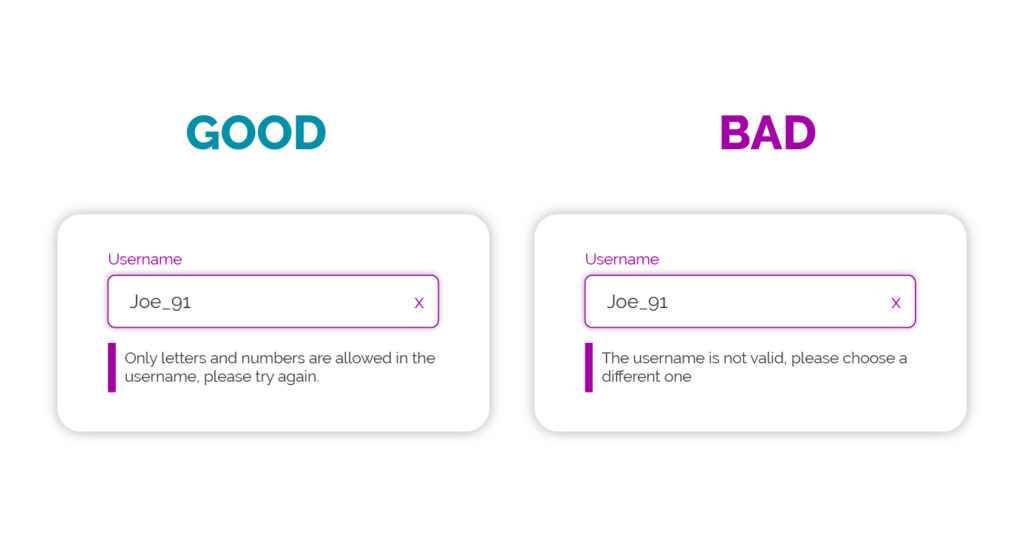
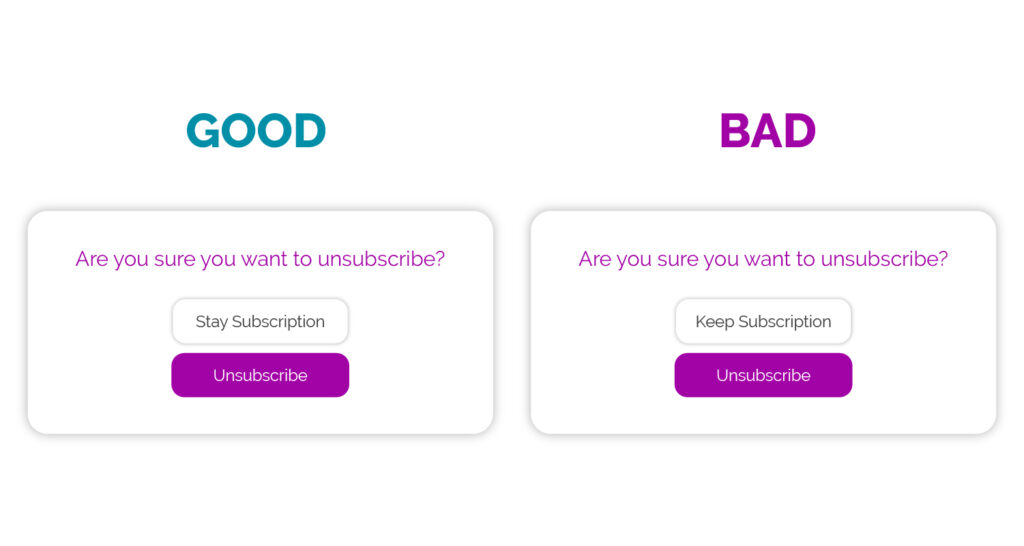
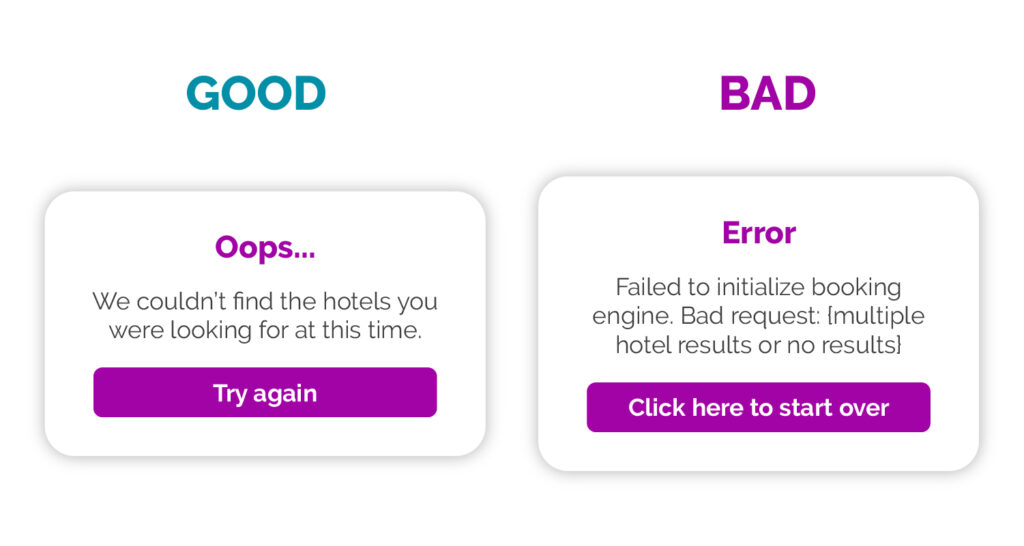
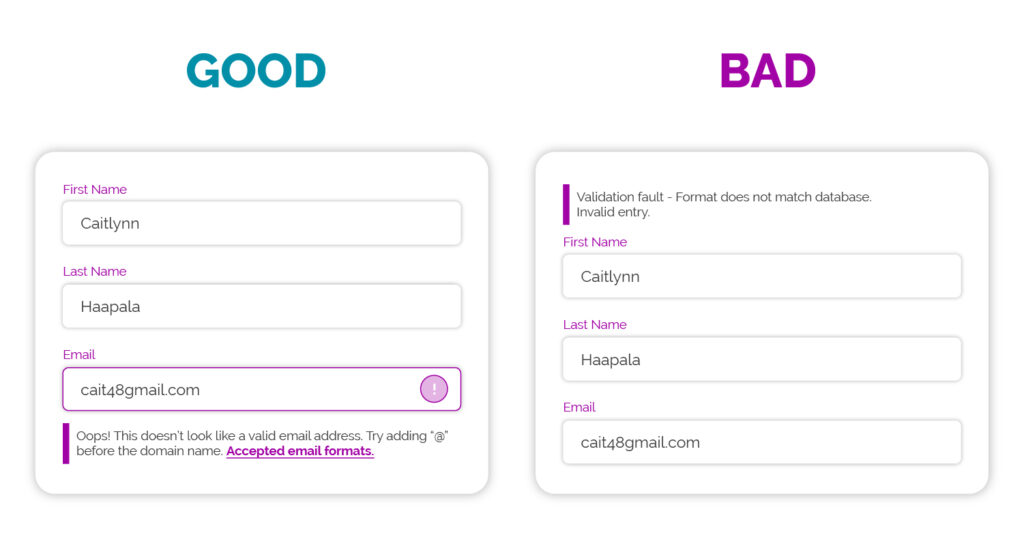
Then there are 4 comparative examples with texts, one using UX Writing and the others not.
The UX Writer
The UX Writer must be capable of creating content that offers the digital platform logic, coherence, and order. Furthermore, it determines how the company’s voice should be expressed and simplifies the customer experience. To structure an optimal interface, you must be familiar with UX Design and work closely with designers.
The UX Writer must be capable of creating content that offers the digital platform logic, coherence, and order.
As we could see in this blog post, users want the experience on websites and applications to be clear, concise, and useful. UX Writing is one of the tools for doing so. At Isource Marketing we have writers specialized in this area, as well as a group of designers 100% focused on UX Design. Contact us for your next digital project! https://old.web.isource.us/#contact

UI/UX Creative Artist
Passion: Digital Art